Why the Wicketkeeper Stands in More Than One Place
Why the wicketkeeper stands in more than one place: learn how distance from the stumps signals the delivery, the bowler’s pace and the keeper’s job.
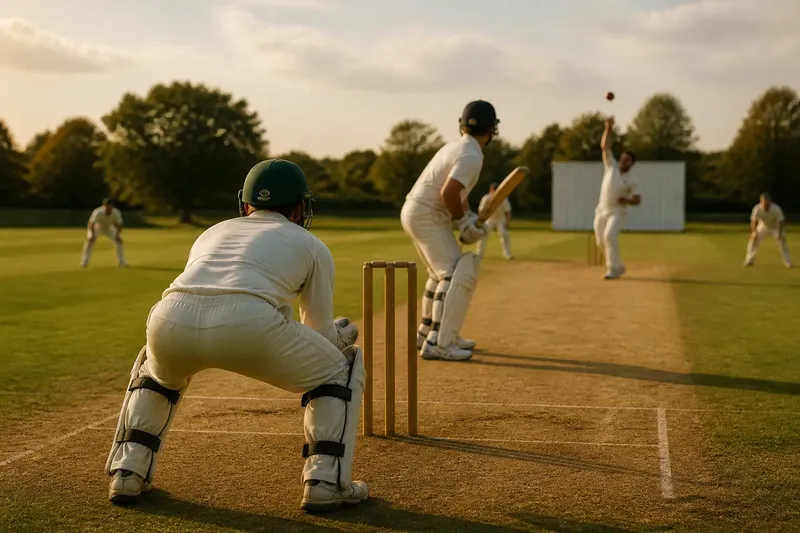
Why the wicketkeeper stands in more than one place becomes clear when you watch the space between the keeper and the stumps. A keeper close behind the wicket is usually preparing for a slower ball or a chance to take the ball cleanly after it passes the batter; a keeper farther back needs room to handle pace, bounce and possible movement off the bat.
That distance is a useful clue, not a secret code. It tells you what the keeper expects to deal with and how much time they need to do it. The bowler, the batter’s position, the pitch and the likely line of the delivery all shape the choice.
Why does the keeper move closer or farther from the stumps?
The keeper changes position to balance reaction time against the need to collect the ball safely. A quick delivery can reach the keeper with pace or rise awkwardly, so standing back gives the ball room to travel and offers time to adjust. Against slower bowling, the ball is more manageable, making it possible to stand close enough to gather it before it travels far behind the batter.
Standing close also matters if the batter leaves the crease. The keeper can receive the ball and break the wicket in one movement, creating a chance of a stumping if the batter is out of their ground and the ball has not been hit by the bat. That does not mean every close position is a stumping trap; it is one possible benefit of being near the stumps.
The keeper’s feet are set behind the stumps, usually with space to move laterally. The position needs to leave a clear sightline to the bowler’s hand and the ball’s release, while allowing the keeper to move towards either side. A stance that looks comfortably close may be a poor one if it blocks the view or leaves no room to respond.
When does the wicketkeeper stand back?
The keeper commonly stands back to a fast bowler. The ball may carry through quickly, bounce above the ground or move after pitching; distance gives the keeper a fraction more time to judge its path and bring the gloves into line.
That extra space is especially useful when the ball is likely to pass the batter at chest or shoulder height. The keeper can rise with the bounce rather than trying to collect the ball from a low crouch directly behind the stumps. If the ball edges the bat, the keeper still needs to be set to move sideways, not merely waiting for a straight take.
A keeper standing back is not necessarily expecting a bad ball or a catch. The position often reflects the pace and bounce expected from the bowler. It also offers room to adjust if the delivery deviates late, which is a regular inconvenience in cricket.
When does the wicketkeeper stand up to the stumps?
The keeper often comes up to the stumps against slower bowling, particularly spin. With less pace on the ball, the keeper may be able to collect it close behind the batter without needing the same travelling room required against a fast bowler.
A close position can increase the pressure on a batter who steps down the pitch. If the batter misses or fails to make contact, the keeper may gather the ball and remove the bails before the batter gets back. The possibility can encourage the batter to stay near the crease, though the keeper’s first task remains a clean take.
Standing up is demanding because the keeper has little time to recover from a misjudged bounce or a deflection. The gloves must be presented in front of the body, the head kept steady and the feet ready to move. A slow delivery can still turn sharply or bounce unexpectedly; “slow” does not mean “easy”.
How does the bowler change the keeper’s position?
The bowler’s pace is the first clue, but it is not the only one. A spinner may bowl a quicker delivery, while a fast bowler may use a slower ball. The keeper’s position can shift within an over when the bowler changes pace or when the conditions alter how the ball carries.
The bowler’s style also matters. A bowler who releases the ball with a high action may produce a different bounce from one with a lower trajectory. The keeper watches the release and the pitch, then adjusts the distance to suit the expected carry. They are not choosing a fixed spot for the whole match.
Imagine a spinner has been turning the ball past a batter who likes to leave the crease. The keeper begins close, ready to take the ball and attempt a stumping. If the bowler then sends down a quicker, flatter delivery that skids on, the keeper may move back to allow more time and room to collect it. The visible change is the keeper’s distance; the practical change is how the ball is expected to arrive.
What can the keeper’s distance tell you about the delivery?
Distance offers a broad hint about the expected pace and bounce, but it cannot tell you exactly what the ball will do. A keeper standing back suggests that the ball may travel quickly or carry high. A keeper standing close often suggests slower bowling and a chance to gather near the stumps.
Look at the bowler as well as the keeper. If the keeper moves forward just before a spinner begins an over, the team may be preparing for a slower, turning ball. If the keeper retreats before a quick bowler runs in, the team is allowing room for pace and bounce. The movement is a clue to the plan, not a prediction of the result.
Check whether the keeper changes position from ball to ball. A batter who advances, a change of bowler or a different delivery plan can prompt a small adjustment. Watching for these shifts helps explain why the keeper is moving even when the fielders around them appear to stay put.
What should you watch besides the distance?
Notice the keeper’s crouch, hands and first movement. A deep crouch with the gloves low may suit a ball expected to stay down; a more upright stance can help when the keeper expects bounce. The exact posture varies, so read it alongside the bowler and the keeper’s position rather than treating it as a fixed signal.
Watch the batter’s feet too. If the batter advances, a keeper close to the stumps has a direct chance to attempt a stumping. If the batter stays deep in the crease, the keeper may be focused more on catching an edge or stopping the ball. The batter’s movement can change the keeper’s job even without a change of bowler.
Then follow the ball after it passes the bat. A clean take, a gather off the ground and a catch from an edge are different outcomes, although all may begin with the keeper in the same place. The position tells you what the keeper has prepared for; the ball tells you what happened.
Why does the keeper sometimes stand farther back to spin?
A keeper may stand back to a spinner when the ball is expected to bounce sharply, turn wide or carry unpredictably. The keeper may also need space if the batter is likely to use their feet and hit the ball past the stumps. Standing back can make it easier to move across and collect a miss that travels beyond the batter.
Conditions matter. A surface that produces uneven bounce can make a close take difficult, while a ball that grips and turns may travel away from the keeper’s initial line. In those circumstances, the team may prefer extra room over the stumping opportunity that comes with standing up.
There is no contradiction in a keeper standing close to one spinner and back to another. The decision responds to the delivery, the bowler’s pace and the anticipated bounce, not merely to the label “spin”.
How do you read the wicketkeeper’s position during a match?
Start by noticing where the keeper’s gloves are relative to the stumps, then identify the bowler. Ask whether the keeper is close enough to threaten a stumping or far enough back to handle a faster, higher or less predictable ball. Keep the question simple; you do not need to predict the delivery to understand the adjustment.
- Keeper close, slower bowler: expect a clean take near the stumps and watch for the batter leaving the crease.
- Keeper back, faster bowler: allow for pace, bounce and movement after the ball passes the batter.
- Keeper changes position: look for a shift in pace, line, bounce or the batter’s use of the crease.
- Keeper stays back to spin: consider whether turn, bounce or a batter advancing makes extra room useful.
These are reading aids rather than rules. A keeper can stand back to a slower bowler or come up to a quicker one if the situation calls for it. The position is a judgement made for the next delivery, not a permanent description of the bowler.
Questions readers ask about wicketkeeper positions?
Does the keeper have to stand behind the stumps?
For a delivery, the keeper must remain behind the wicket until the ball has touched the batter or passed the stumps, subject to the laws governing the keeper’s position. This restriction prevents the keeper from moving in front of the wicket to take the ball early.
Can the keeper move after the bowler starts running in?
The keeper may adjust their stance and distance as the delivery develops, while remaining within the applicable laws. The movement is usually small and practical: setting the feet, shifting back or coming forward to match the expected ball.
Why does the keeper wear gloves but not catch every ball?
Gloves help the keeper collect and control the ball, but they do not remove the need to judge its pace, bounce and direction. A deflection off the bat or an awkward bounce can make a take difficult, particularly when the keeper is positioned close.
Is standing up mainly about trying to stump the batter?
No. A close position can create a stumping chance, but it also suits collecting slower deliveries near the wicket. The keeper’s main task is to take or stop the ball, with the possibility of a stumping added when the batter leaves the crease.
What is the most useful clue to remember?
The wicketkeeper’s distance from the stumps is a quick way to read the expected pace and room needed for the ball. Close often points to a slower take and the possibility of a stumping; back often points to pace, bounce or a need to cover more ground behind the batter.
Use that clue with the bowler’s action and the batter’s feet, then watch the ball rather than assuming the keeper’s position settles the outcome. The keeper’s changing distance is part of the match’s quiet conversation: a small movement that tells you what the next delivery may demand.